中文简体
中文简体 عربى
عربىProduct Consultation
Your email address will not be published. Required fields are marked *
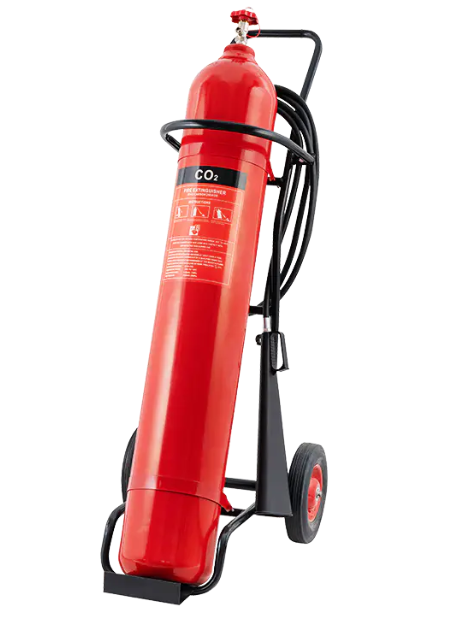
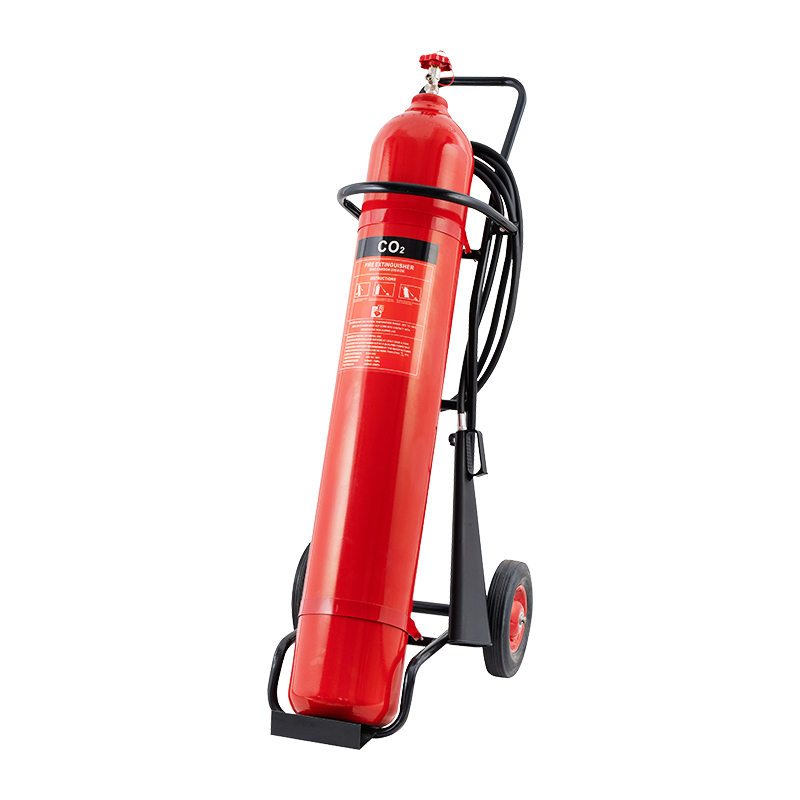
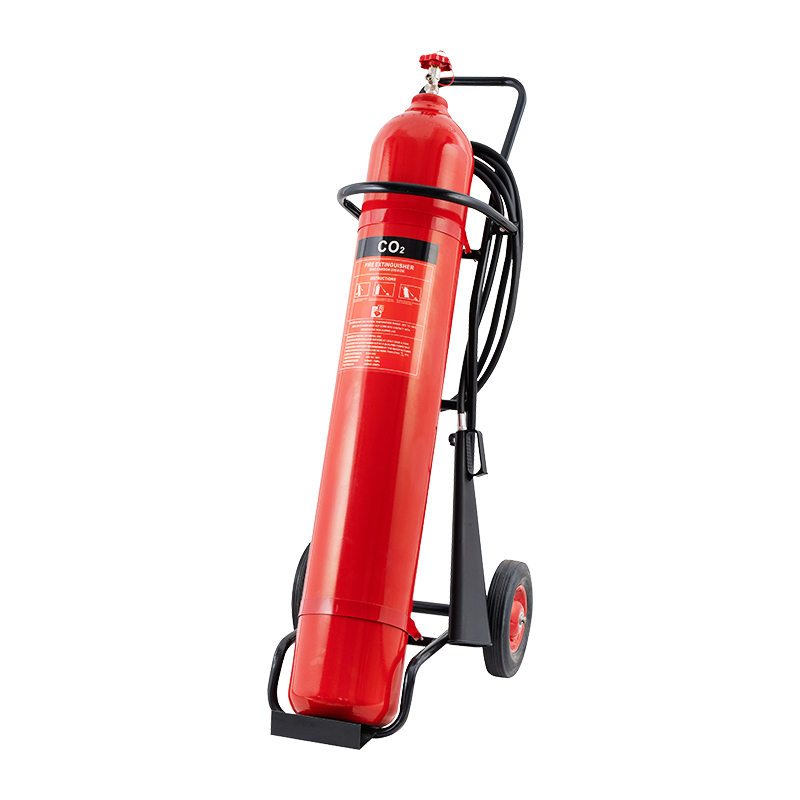
How does the Trolley-Type CO₂ Fire Extinguisher prevent the risk of CO₂ asphyxiation in confined spaces where it might be deployed?
Apr 28,2025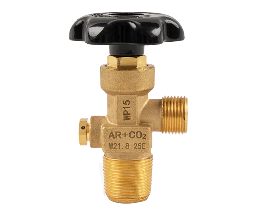
How does the Mixed Gas Valve handle variations in gas supply pressure and ensure stable operation across different gas sources?
Apr 22,2025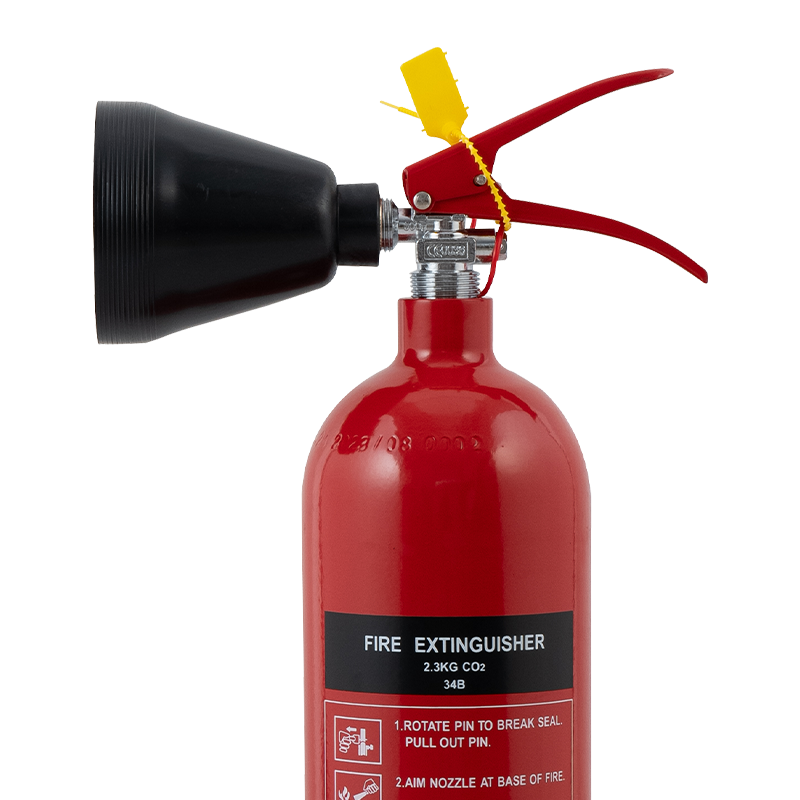
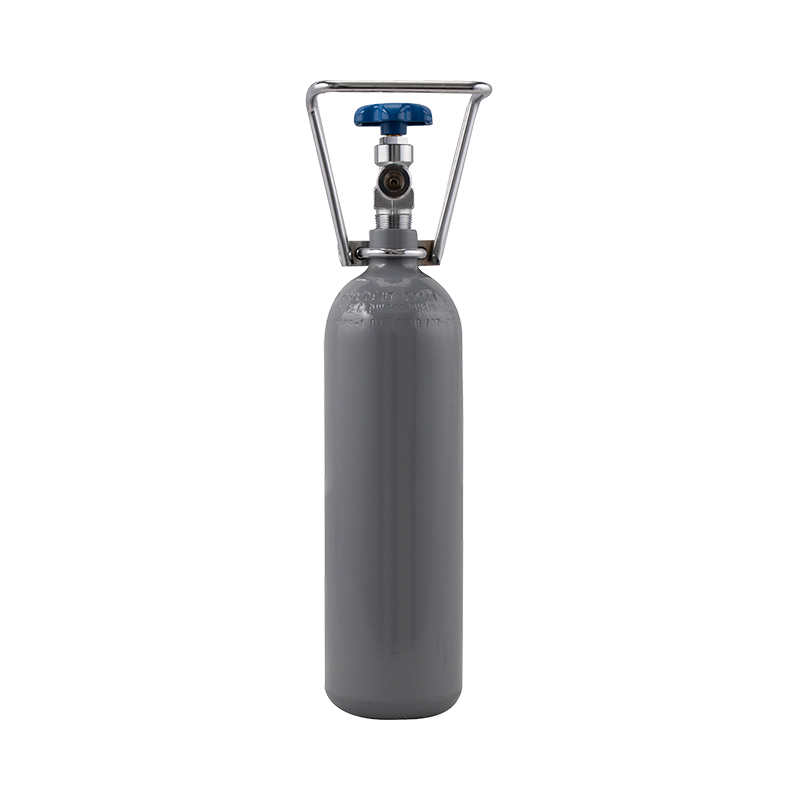
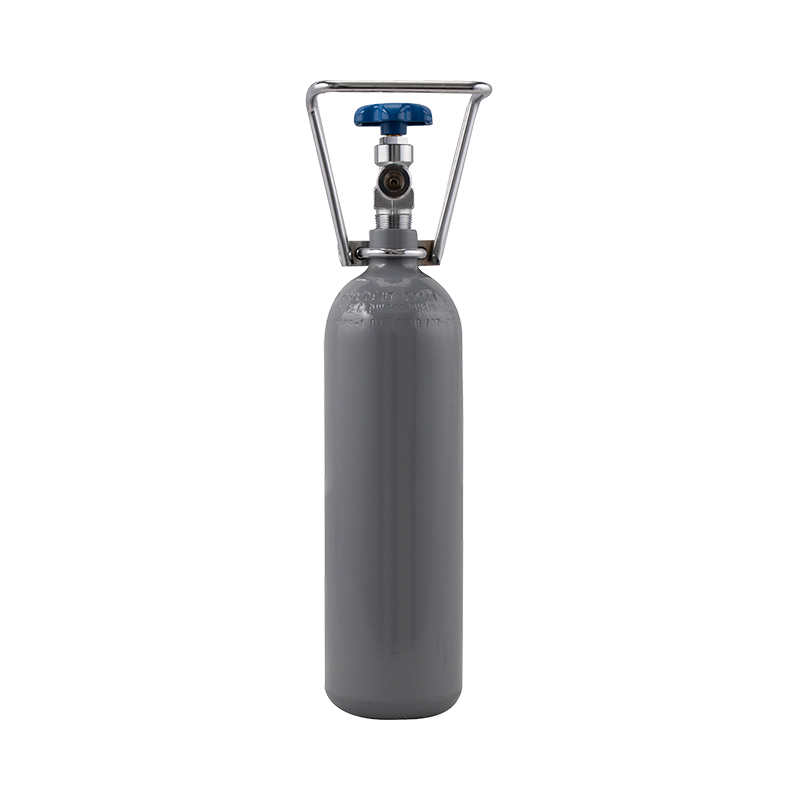
How do environmental factors, such as temperature extremes or humidity, affect the performance and safety of the Seamless Steel Gas Cylinder?
Apr 14,2025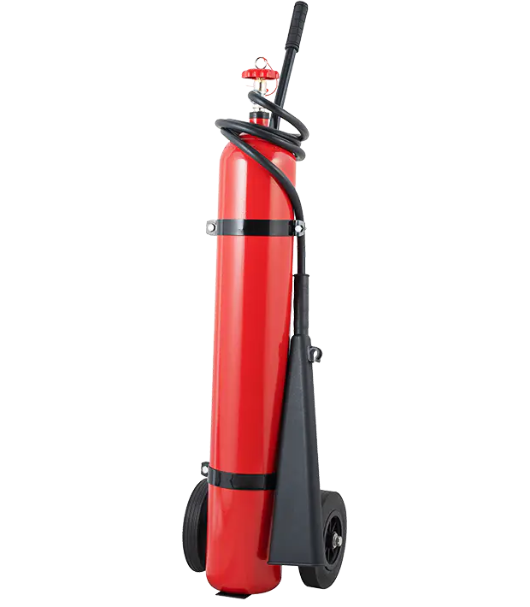
CO₂ extinguishes fires by displacing oxygen, the essential element needed for combustion. When CO₂ is released from the extinguisher, it quickly replaces the oxygen in the fire’s immediate environment. A higher discharge rate results in a more rapid reduction of oxygen concentration, leading to a faster suppression of the fire. This rapid displacement can prevent the fire from spreading and extinguish it more effectively. The ability to discharge CO₂ quickly is particularly important in large-scale fires or in environments with high fire risk where swift intervention is required. Conversely, a slower discharge rate may not expel enough CO₂ in a timely manner, which could prolong the fire or allow it to spread.
In addition to oxygen displacement, CO₂ has a cooling effect when discharged, primarily due to the rapid expansion of the gas. As CO₂ exits the high-pressure cylinder, it undergoes a phase change from liquid to gas, causing a significant drop in temperature. This cooling effect helps to lower the temperature of the burning materials, slowing down the combustion process. The discharge rate plays a significant role in this aspect; a faster discharge rate results in a quicker cooling of the fire and the surrounding area. However, an excessively fast discharge rate may not allow the gas to cool the area uniformly, potentially causing localized overheating and the risk of reignition. A slower discharge may not provide enough cooling to suppress the fire quickly, allowing the flames to persist.
The speed at which CO₂ is released from the extinguisher affects how widely it can cover the fire. A higher discharge rate enables the gas to cover a larger area more quickly, ensuring that the fire is suppressed in multiple locations at once. This is particularly important in fires that have spread across a wide area or that involve multiple points of ignition. However, the discharge rate needs to be balanced to ensure effective coverage. If the discharge is too rapid, the CO₂ may be concentrated in one area, leaving other parts of the fire inadequately treated. In contrast, a slower discharge rate may not allow for the gas to reach all parts of the fire in time, increasing the risk of the fire reigniting. Optimal control of the discharge rate ensures uniform distribution of CO₂ over the fire, allowing for effective and comprehensive suppression.
CO₂ extinguishing systems are effective as long as the gas concentration remains high enough to suppress combustion. If the discharge rate is too slow, the fire may not be extinguished effectively, allowing it to continue burning or spread to other areas. Conversely, if the discharge rate is too fast, there may not be enough time for the CO₂ to concentrate in the right areas, leading to an insufficient suppression of the fire. This can increase the risk of re-ignition after the initial suppression. Re-ignition can occur if the CO₂ dissipates too quickly and the oxygen concentration rises again. The key is to maintain the discharge at a rate that ensures a sustained high concentration of CO₂ around the fire long enough to completely extinguish it and prevent re-ignition.
The rapid discharge of CO₂ can have unintended effects on the surrounding environment, especially in enclosed or sensitive areas. A quick discharge rate can cause CO₂ to spread rapidly, leading to reduced visibility, an increase in gas density, and sudden drops in temperature. This can create hazardous conditions for nearby equipment, personnel, or sensitive devices. For example, in electronic or industrial settings, a rapid CO₂ discharge could potentially cause thermal shock to delicate equipment or result in operational interruptions. Conversely, a slower discharge rate may limit the immediate impact on surrounding equipment and personnel, but it may reduce the extinguisher’s overall effectiveness in controlling the fire.
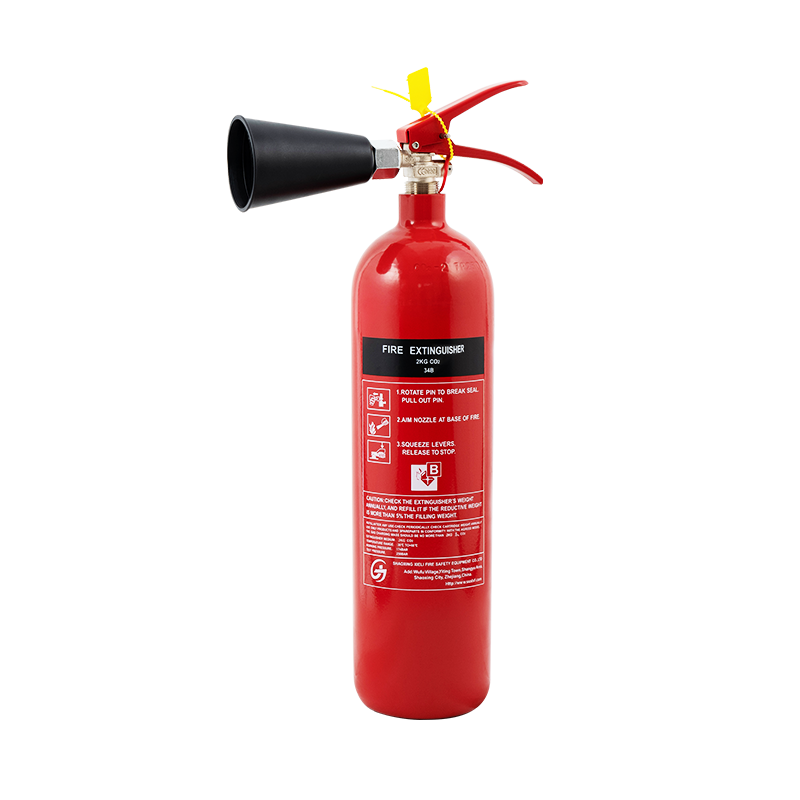
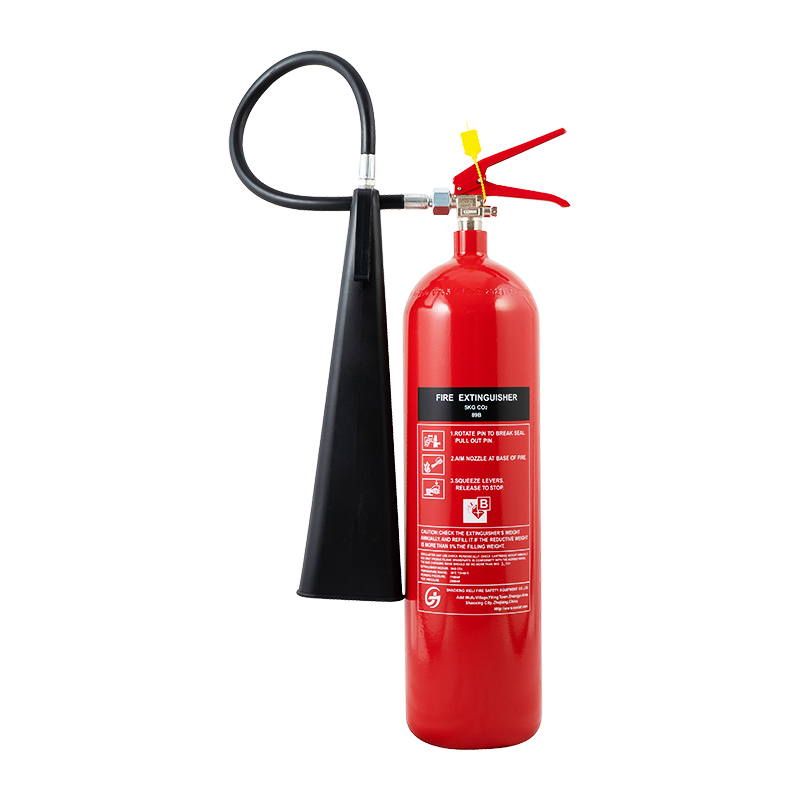
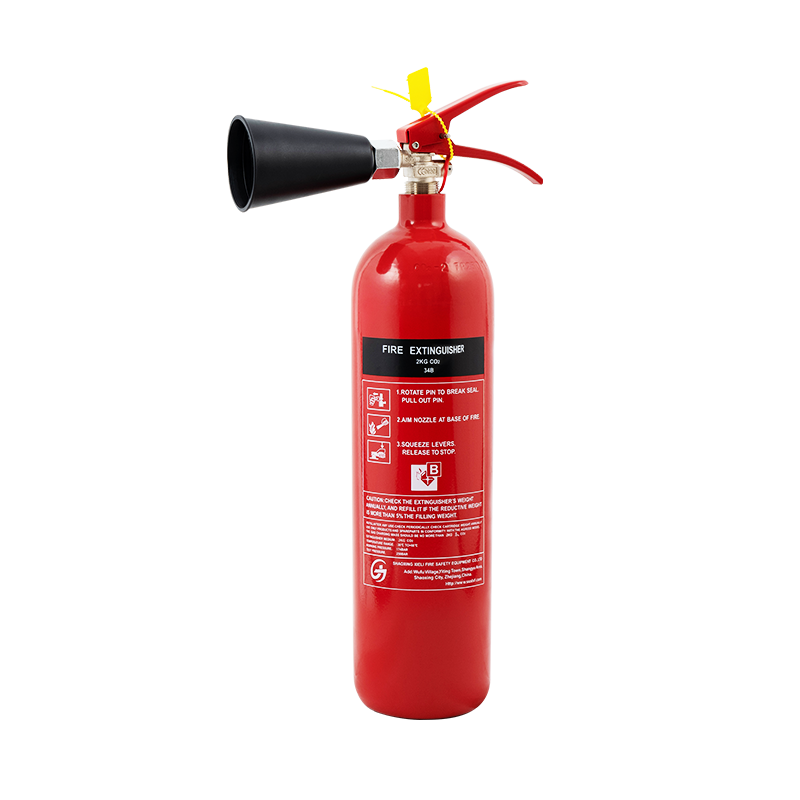
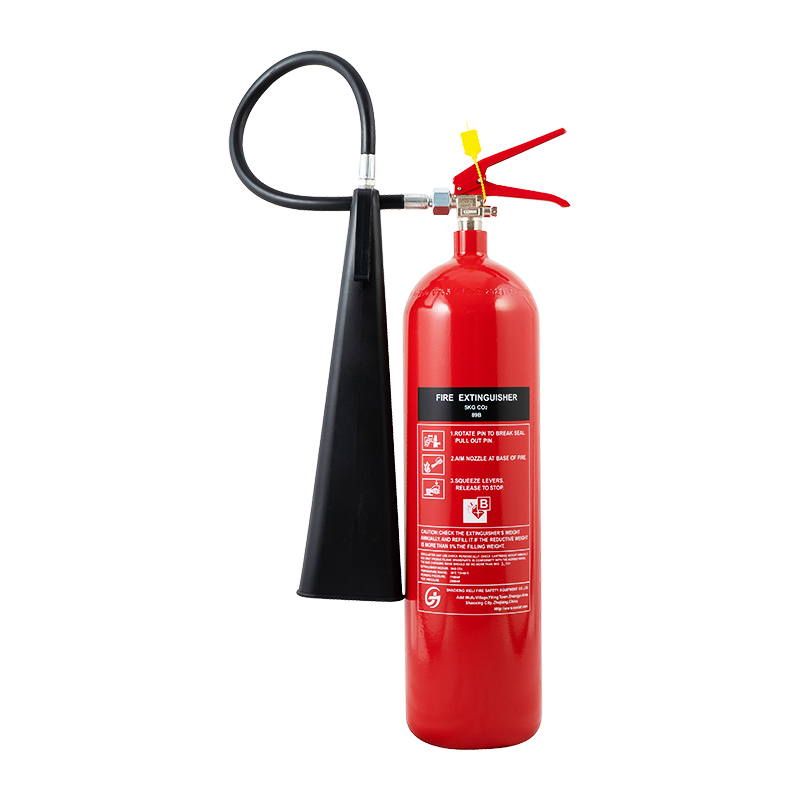
How does the nozzle design of a carbon steel CO₂ fire extinguisher contribute to the precision and effectiveness of its discharge?
How do users ensure the proper installation of a gas cylinder valve to prevent leaks and ensure safe usage?
Your email address will not be published. Required fields are marked *
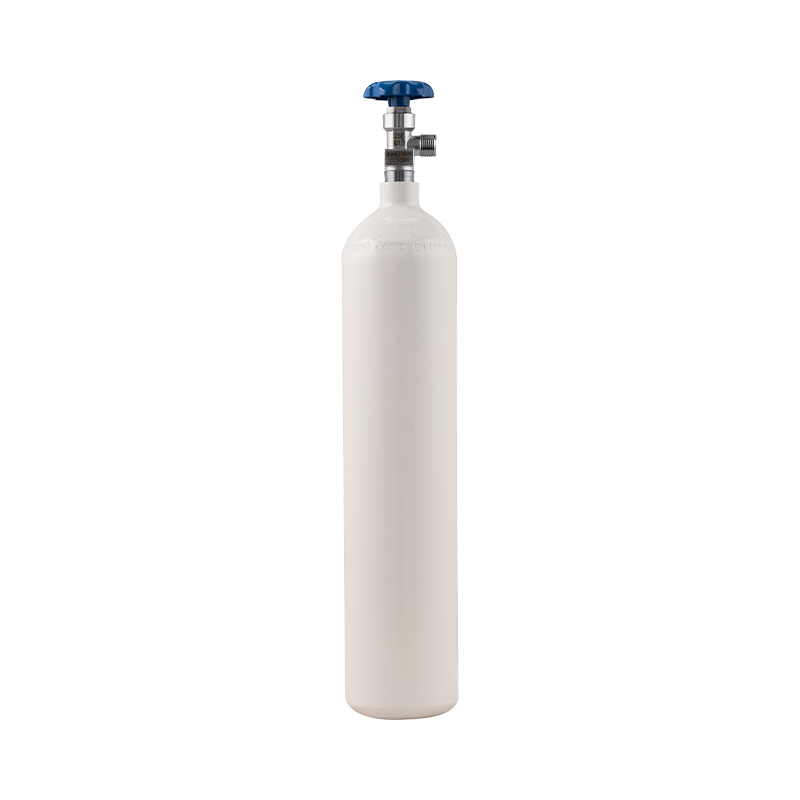
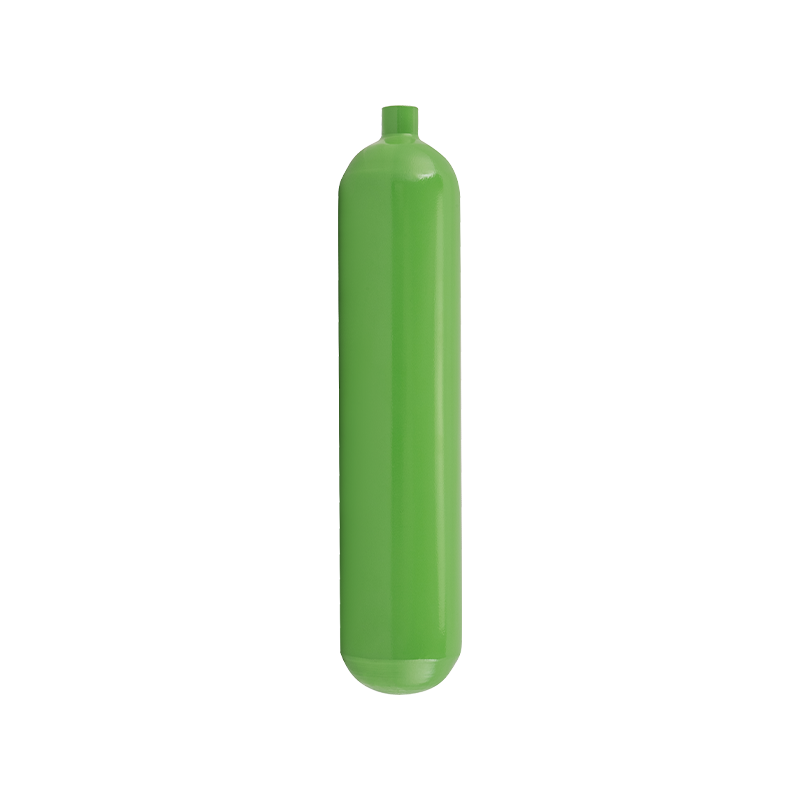
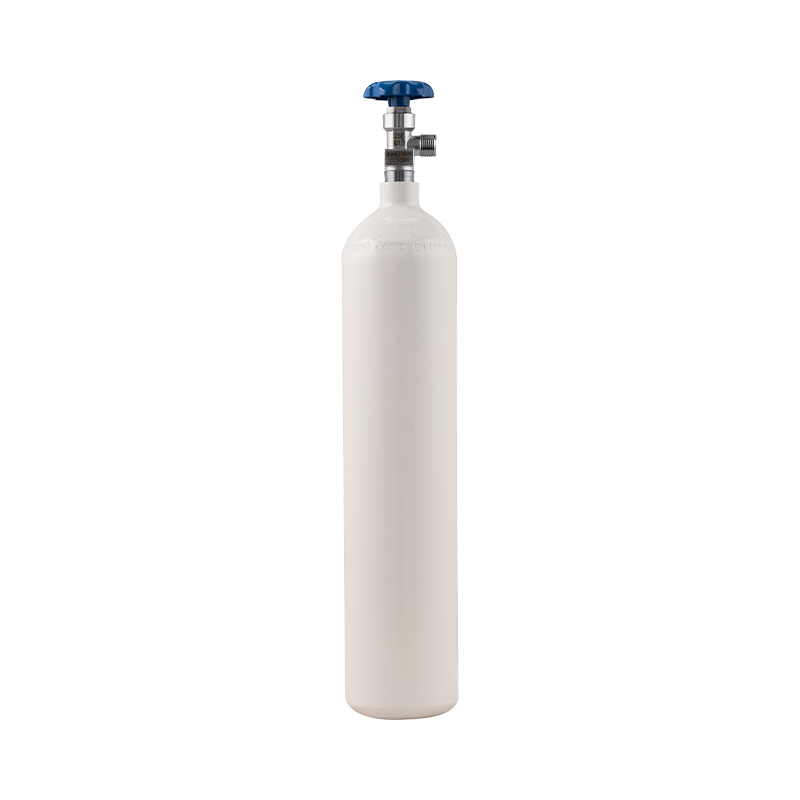
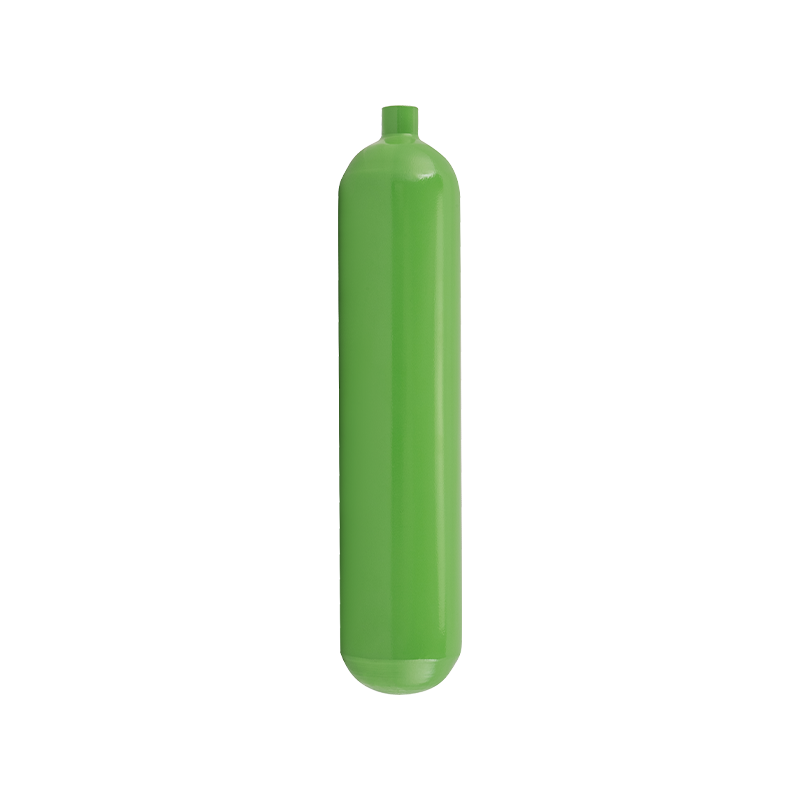
Model: XL03-02 External Diameter: 114mm Working Pressure: 174bar Test Pressure: 250bar
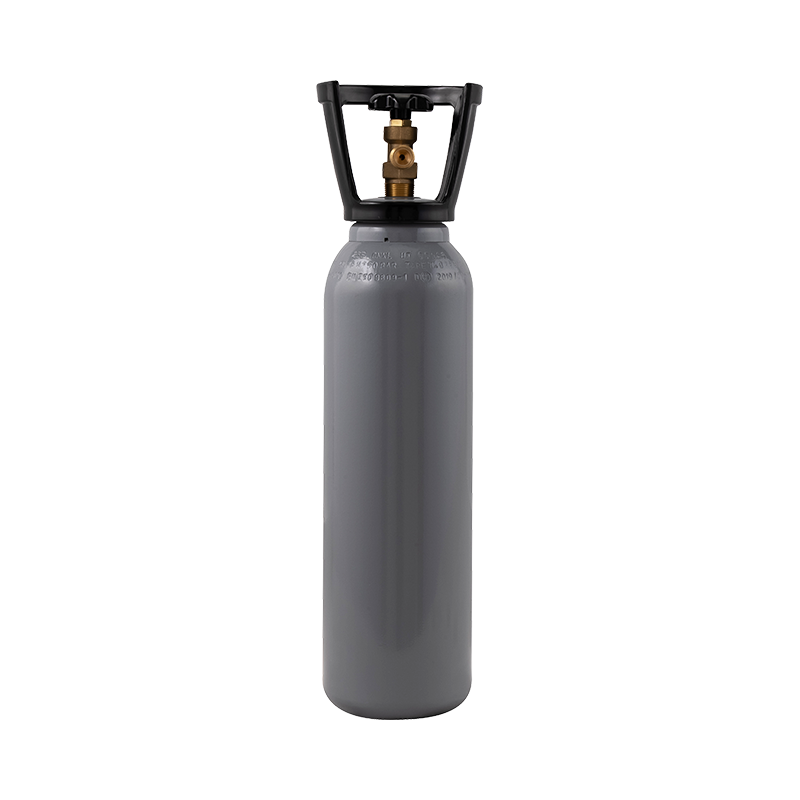
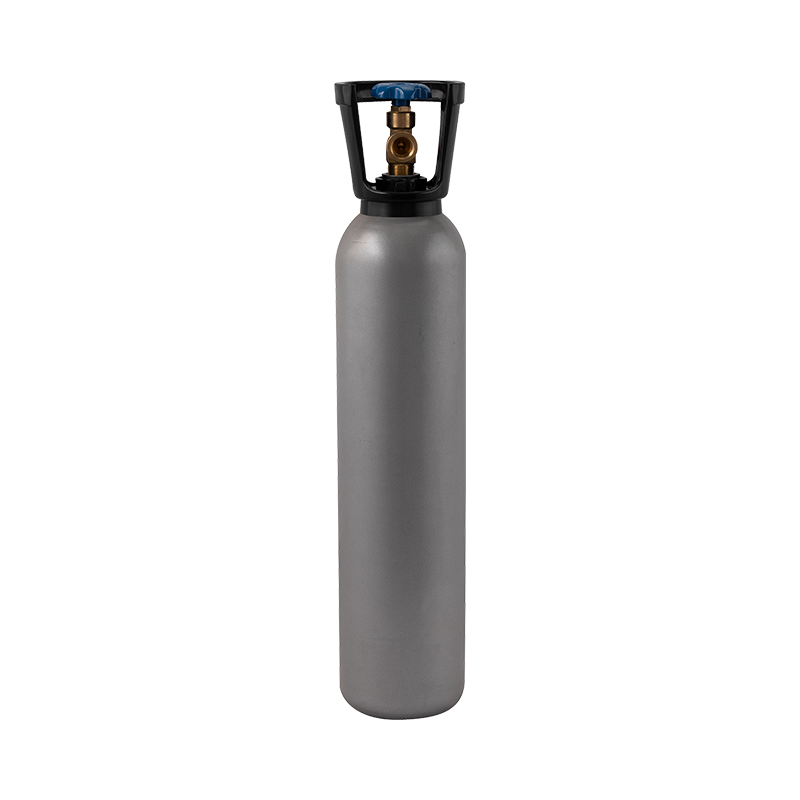
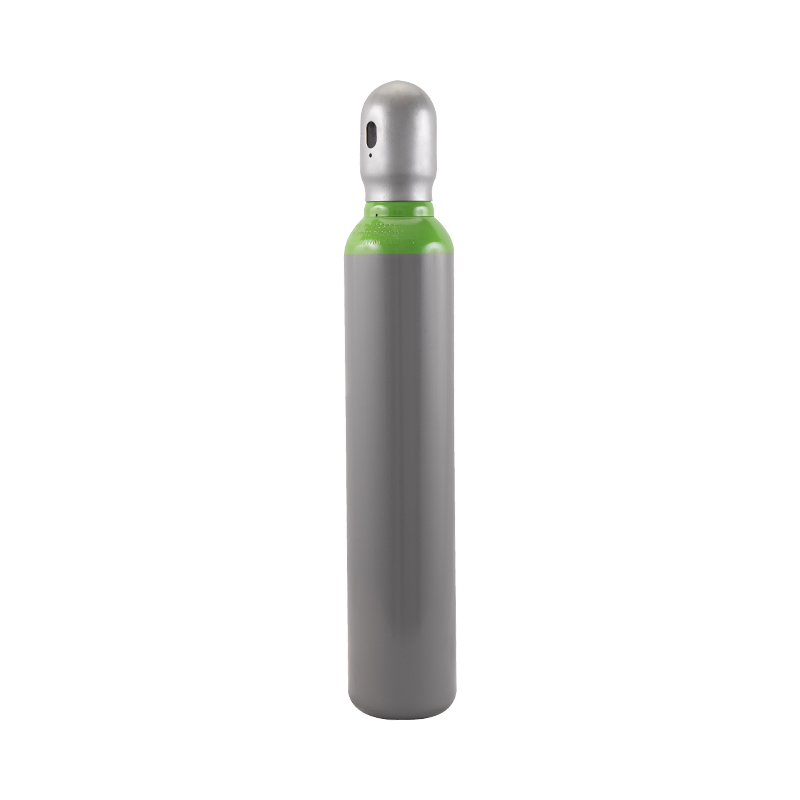
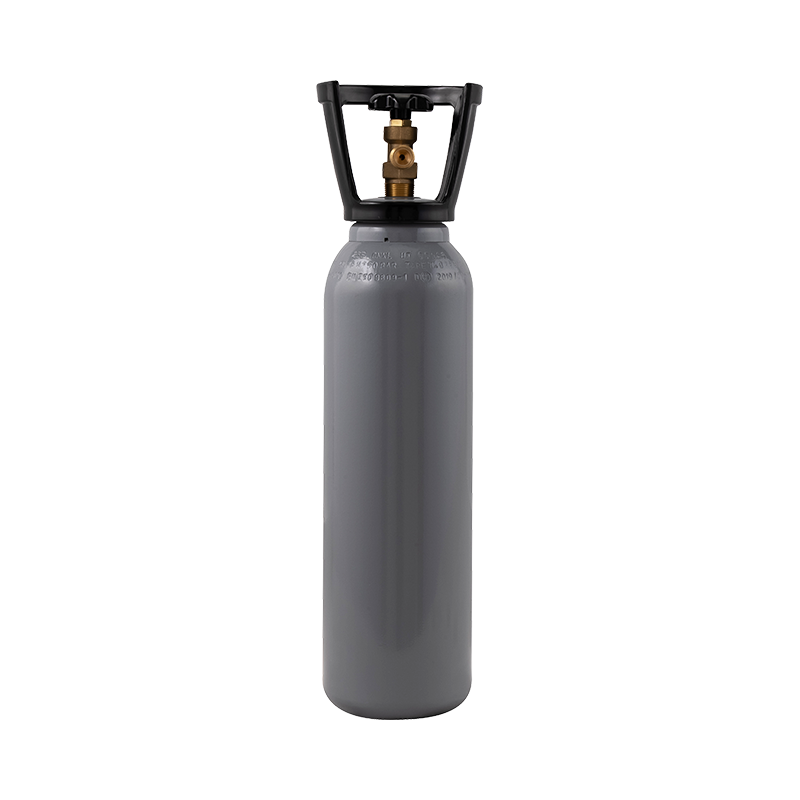
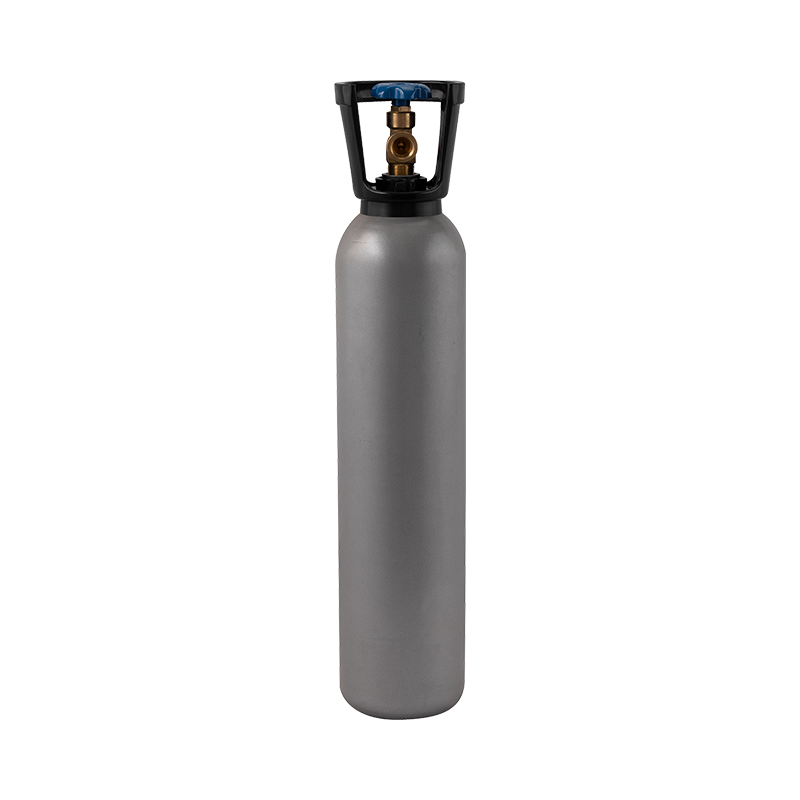
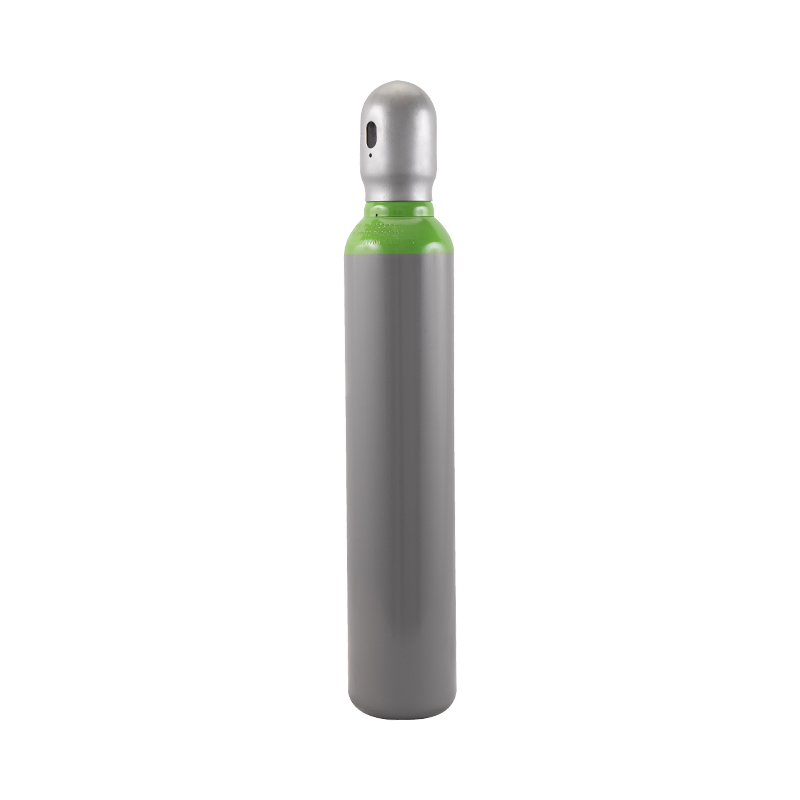
Model: XL03-11 External Diameter: 152mm Working Pressure: 174bar Test Pressure: 250bar
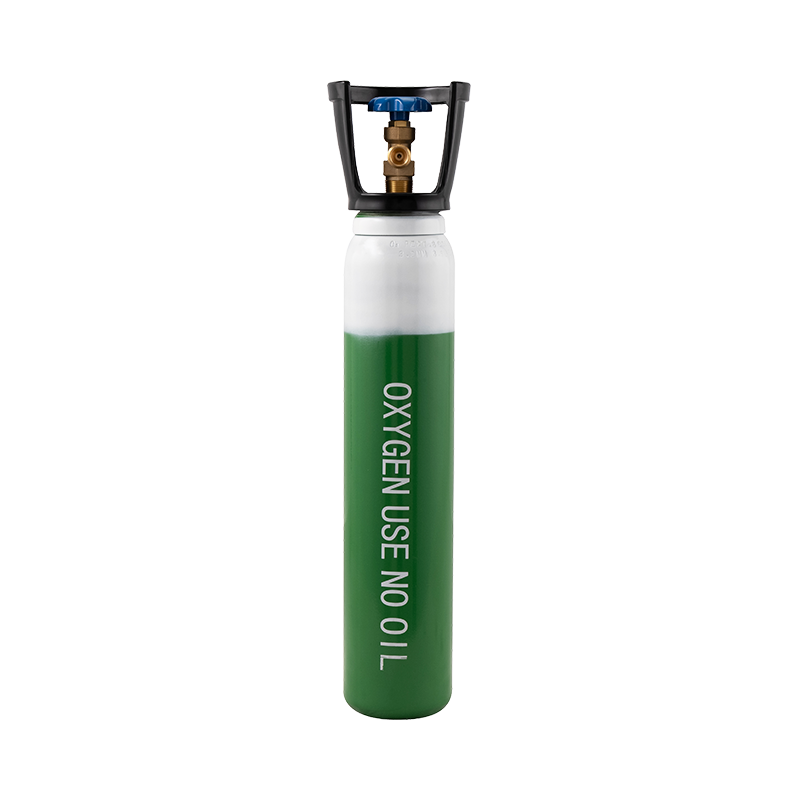
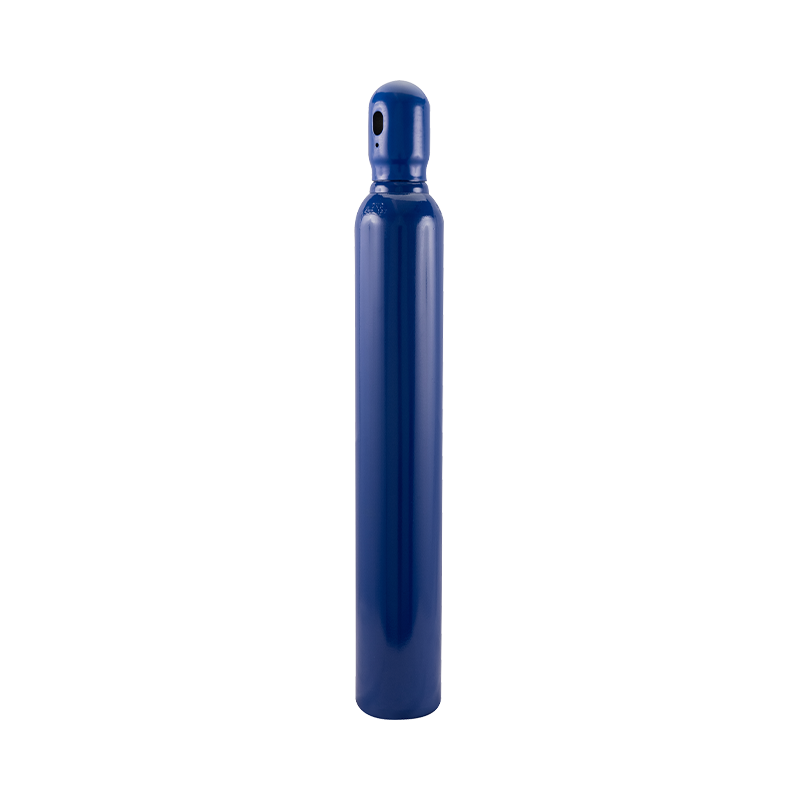
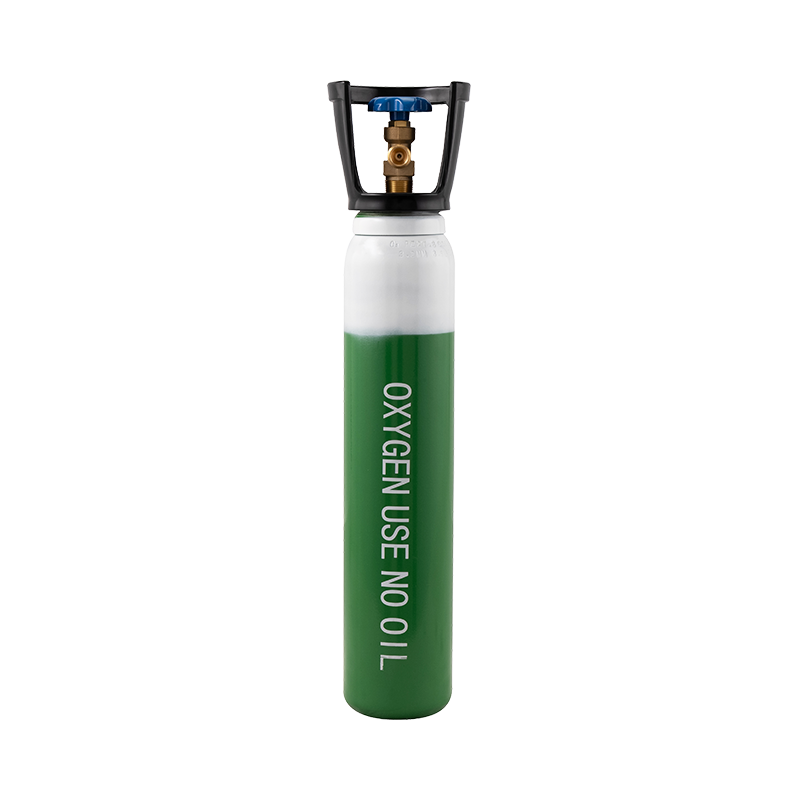
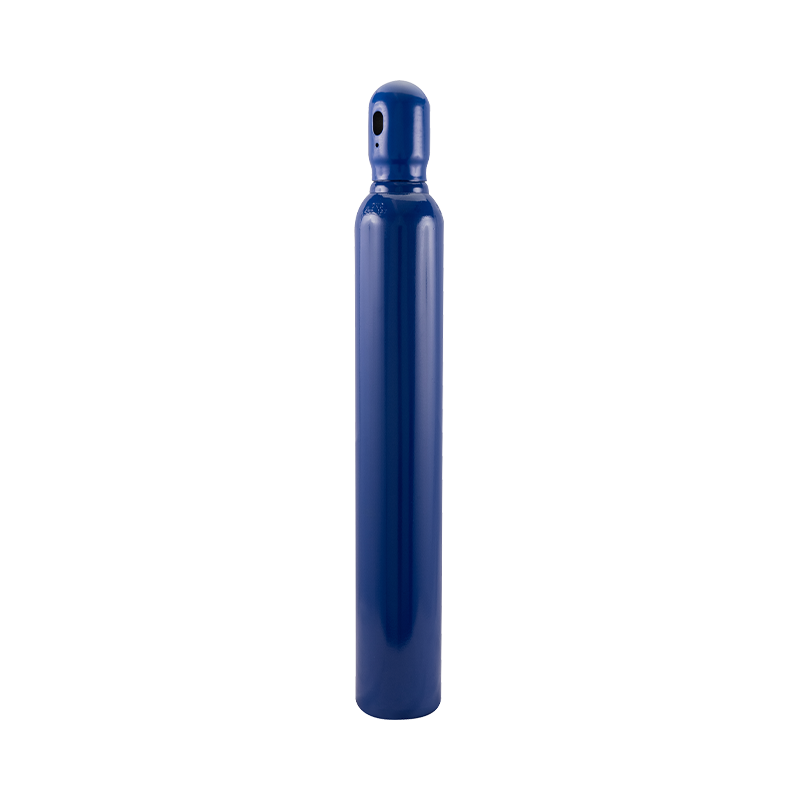
Model: XL04-05 External Diameter: 219mm Working Pressure: 174bar Test Pressure: 250bar

Shaoxing Xieli Fire Safety Equipment Co., Ltd.
2023 Shaoxing Xieli Fire Safety Equipment Co., Ltd. All Rights.
 Wholesale Steel Seamless Gas Cylinder Manufacturers