中文简体
 عربى
Product Consultation
Your email address will not be published. Required fields are marked *

How should Carbon Steel CO₂ Fire Extinguisher be stored to prevent damage, corrosion, or accidental discharge?
Nov 03,2025
How does the design of the 5KG Carbon Steel Portable CO₂ Fire Extinguisher prevent freezing or blockage of the discharge horn during rapid release?
Oct 23,2025
What role does the Fire Extinguisher Nozzle play in ensuring a quick and efficient response time during an emergency?
Oct 16,2025
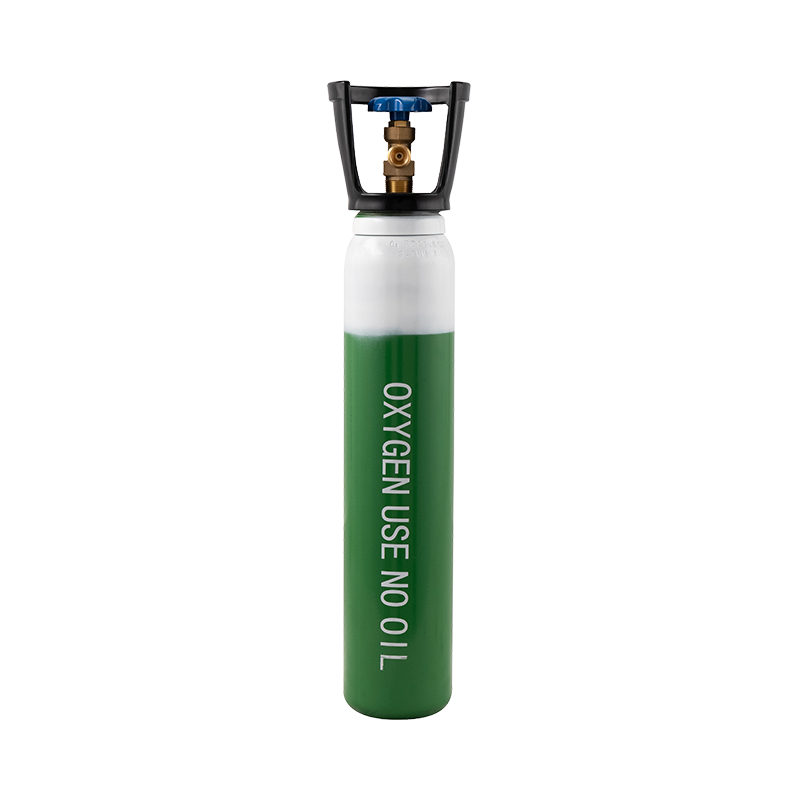
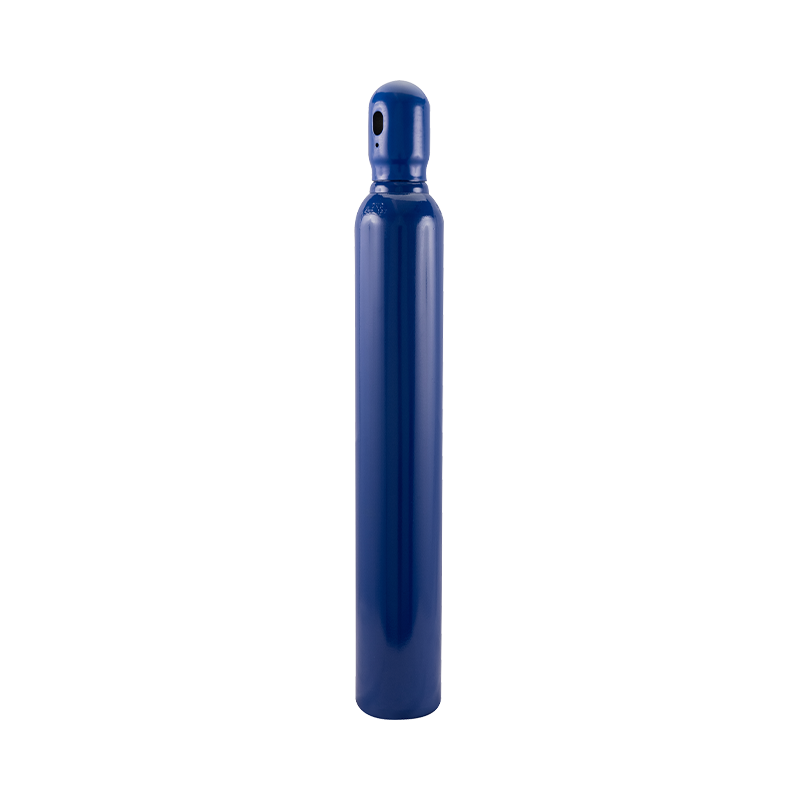
The seamless manufacturing process is the cornerstone of ensuring uniformity in wall thickness for Seamless Steel Gas Cylinders. Unlike welded cylinders, which may suffer from inconsistencies and weak points at the seam, seamless cylinders are created from a single piece of steel. The process begins with billets or solid metal rods that are heated to high temperatures, then pierced and elongated using methods like extrusion or rotary piercing. This shaping process ensures that the material flows uniformly without the risk of creating weak spots. The cylindrical shape is then expanded and thinned through further stretching and rolling under precisely controlled conditions, ensuring that the wall thickness is even throughout. This manufacturing process, coupled with the absence of seams, helps create a stronger, more durable cylinder with consistent thickness and material integrity. The ability to uniformly distribute the steel across the entire surface of the cylinder eliminates the chance of weak spots that may compromise its performance under pressure.
After the cylinder is shaped, it undergoes a series of heat treatments to refine the metal's properties and ensure consistent thickness. The cylinder is heated to a specific temperature and then cooled in a controlled manner to achieve the desired mechanical properties such as strength, ductility, and toughness. This annealing and tempering process helps the steel to relax, eliminating any internal stresses and allowing for more even material distribution. The heat treatment also plays a critical role in standardizing the wall thickness throughout the entire cylinder. To ensure uniformity, calibration methods such as ultrasonic testing or eddy current inspection are employed to measure and verify the thickness at multiple points along the cylinder. Any inconsistencies found during testing are addressed by adjusting the manufacturing parameters or performing additional heat treatment steps to further even out the material distribution. These processes ensure that the cylinder maintains consistent structural integrity, which is essential for its safe operation in high-pressure environments.
The uniformity of the wall thickness is directly related to the cylinder’s ability to withstand internal pressure. If the cylinder has non-uniform wall thickness, areas with thinner walls will experience higher stress concentrations, which can lead to premature failure under pressure. Conversely, uniform wall thickness ensures that the pressure is distributed evenly across the entire surface of the cylinder, reducing the risk of rupture or deformation. This is especially important in applications that involve high-pressure gases, where the cylinder must endure significant internal forces without failure. The uniformity in wall thickness also minimizes the development of localized stress points, which can result in cracks or leaks over time, particularly when the cylinder is subject to cyclic loading (repeated pressurization and depressurization). By maintaining a consistent thickness, the Seamless Steel Gas Cylinder can safely hold gases at the desired pressure without compromising its structural integrity.
Uniform wall thickness plays a crucial role in the long-term durability and reliability of the Seamless Steel Gas Cylinder. Over time, cylinders with inconsistent wall thickness may experience localized thinning, especially in the thinner areas, leading to eventual wear and corrosion. The uniformity ensures that the wear and tear is evenly distributed, prolonging the cylinder’s useful life. This is particularly important in environments where the cylinder is exposed to vibrations, physical impacts, or extreme temperatures, which can exacerbate material degradation if the cylinder’s wall thickness is inconsistent. Additionally, the uniformity of thickness prevents the development of weak points that could compromise the cylinder’s ability to handle cyclic pressure loads. By eliminating areas of weakness, the cylinder becomes more resistant to fatigue, which is crucial for high-use applications where the cylinder is frequently subjected to pressurization cycles.
From a safety standpoint, the uniformity of wall thickness in a Seamless Steel Gas Cylinder is essential in preventing catastrophic failures, such as ruptures or explosions, which can result from weak points or inconsistencies in material thickness. In the absence of welded seams or irregularities, the seamless design ensures that all areas of the cylinder are subjected to the same internal pressure, minimizing the risk of failure. Furthermore, the consistent wall thickness ensures that the cylinder can safely withstand high-pressure gas storage without the risk of leakage or blowouts. The overall structural integrity of the cylinder is enhanced by uniformity, which is essential for safe transportation and handling in industries that deal with hazardous or pressurized gases. Uniform wall thickness also plays a key role in passing rigorous safety tests and meeting industry standards such as those set by the American Society of Mechanical Engineers (ASME) or the International Organization for Standardization (ISO), ensuring that the cylinder is fit for use in high-risk environments.
How does the Seamless Steel Gas Cylinder facilitate gas containment without compromising purity or contamination of the stored gas?
How does the discharge horn design of the 5KG Portable CO₂ Fire Extinguisher minimize the risk of frostbite to the user during operation?
Your email address will not be published. Required fields are marked *
Model: MT/2 Fire Extinguisher Rating: 21B、C、E Injection Time/S: ≥8 Jet Distance/m: ≥2.0 It has signi...
Model: MT/5 Fire Extinguisher Rating: 34B、C、E Injection Time/S: ≥8 Jet Distance/m: ≥2.5 It has signi...
Model: XL01-07 External Diameter: 136mm Fire Extinguisher Rating: 89B Test Pressure: 250bar Service ...

Shaoxing Xieli Fire Safety Equipment Co., Ltd.
2023 Shaoxing Xieli Fire Safety Equipment Co., Ltd. All Rights.
 Wholesale Steel Seamless Gas Cylinder Manufacturers